
Identify jewelry from a photo
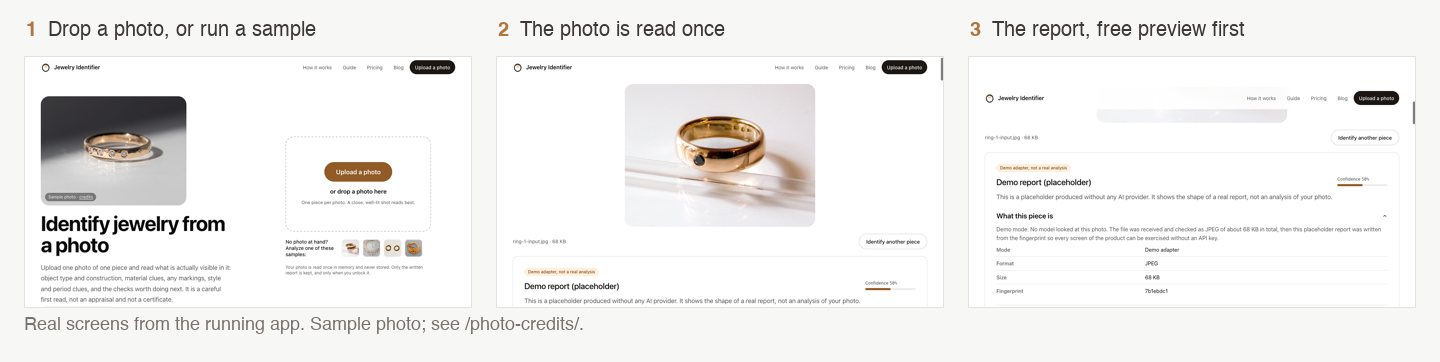
Your photo is read once in memory and never stored. Only the written report is kept, and only when you unlock it.
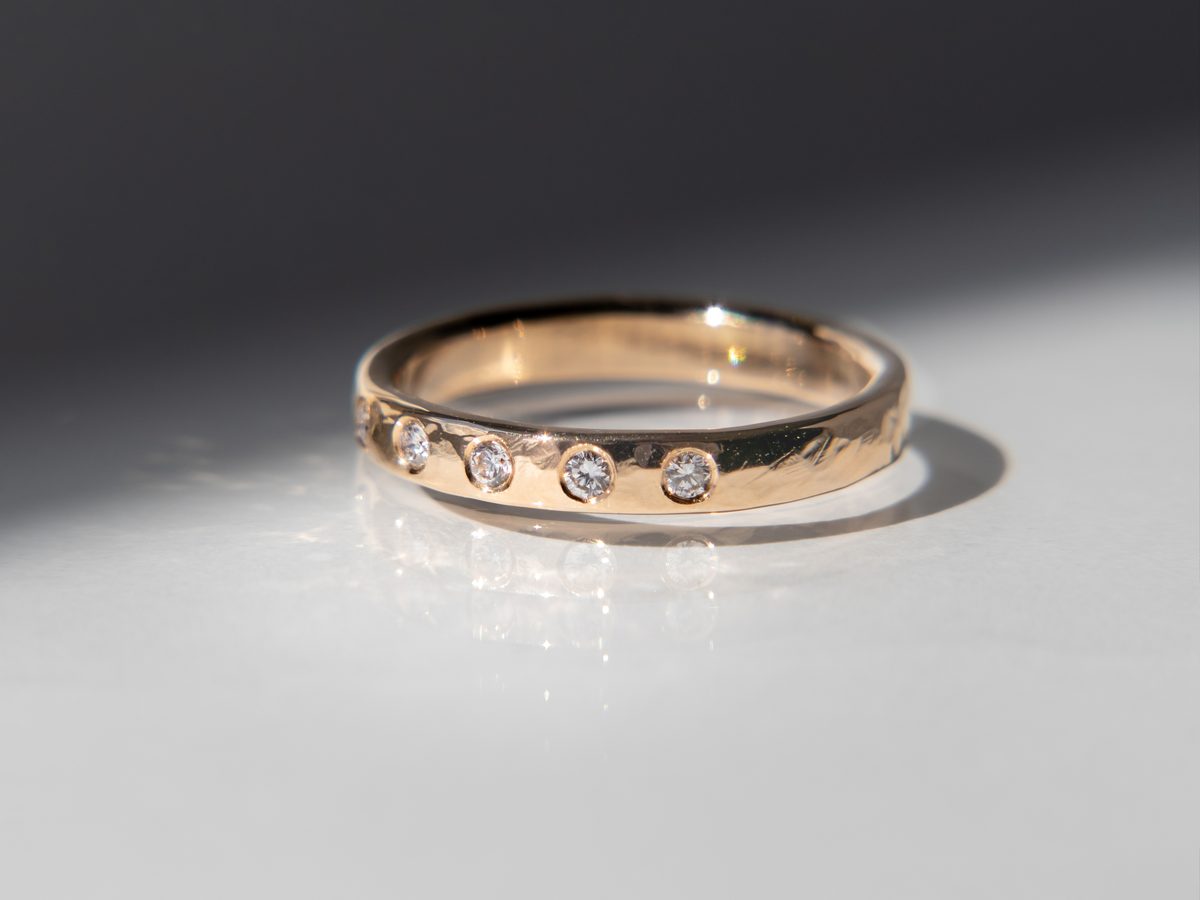
Upload one photo of one piece and read what is actually visible in it: object type and construction, material clues, any markings, style and period clues, and the checks worth doing next. It is a careful first read, not an appraisal and not a certificate. Free preview on every photo
What the report picks out of a photo
Drag the handle. Left is the photo as uploaded, right is what the report reads out of it.
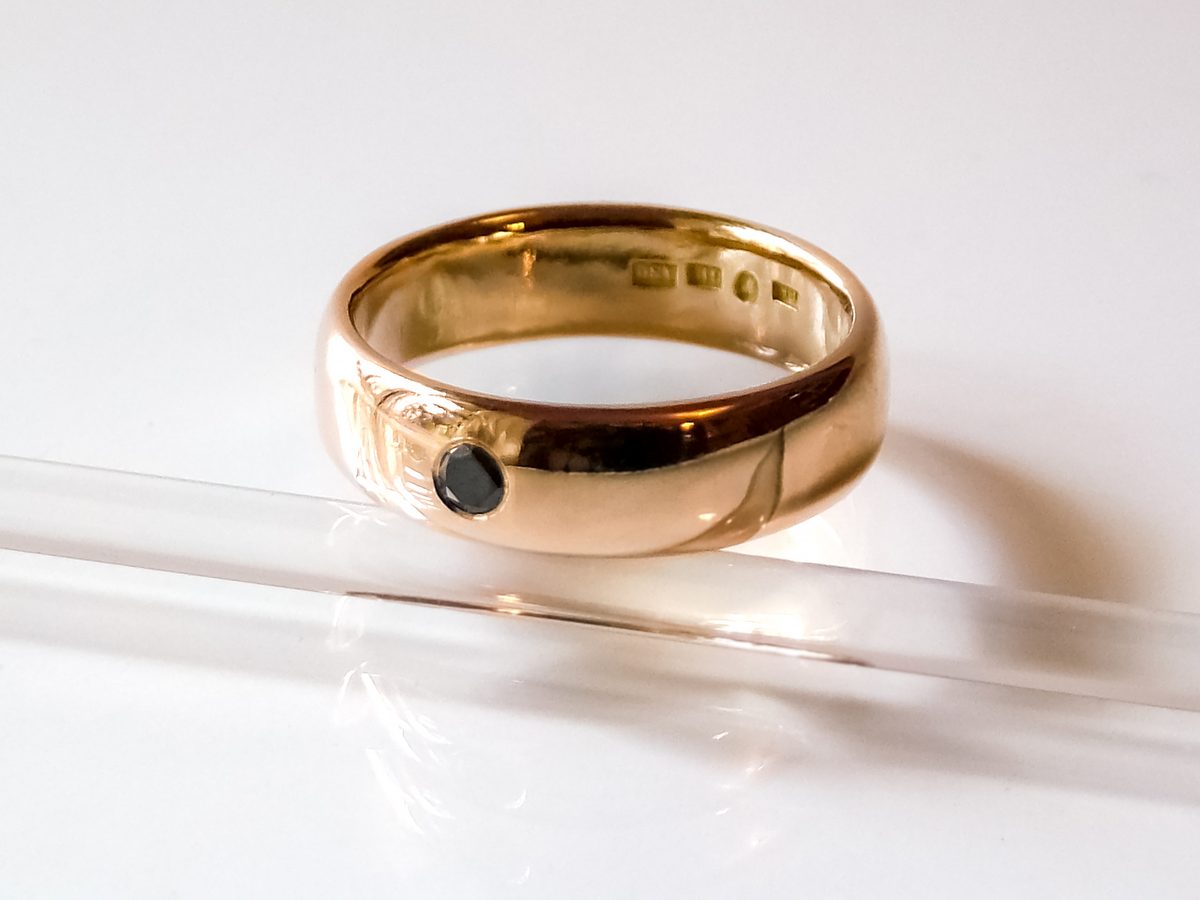
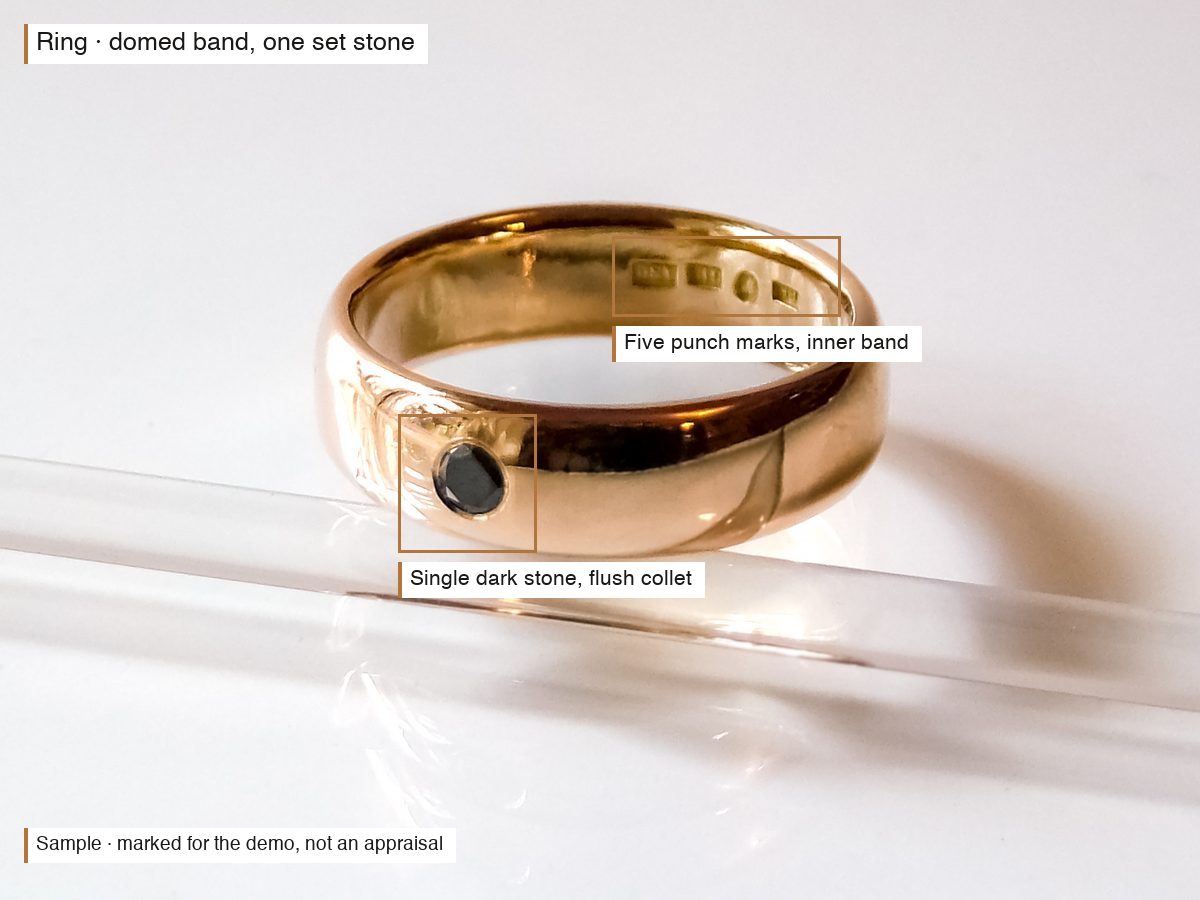 PhotoReport
Observation and interpretation, kept apart
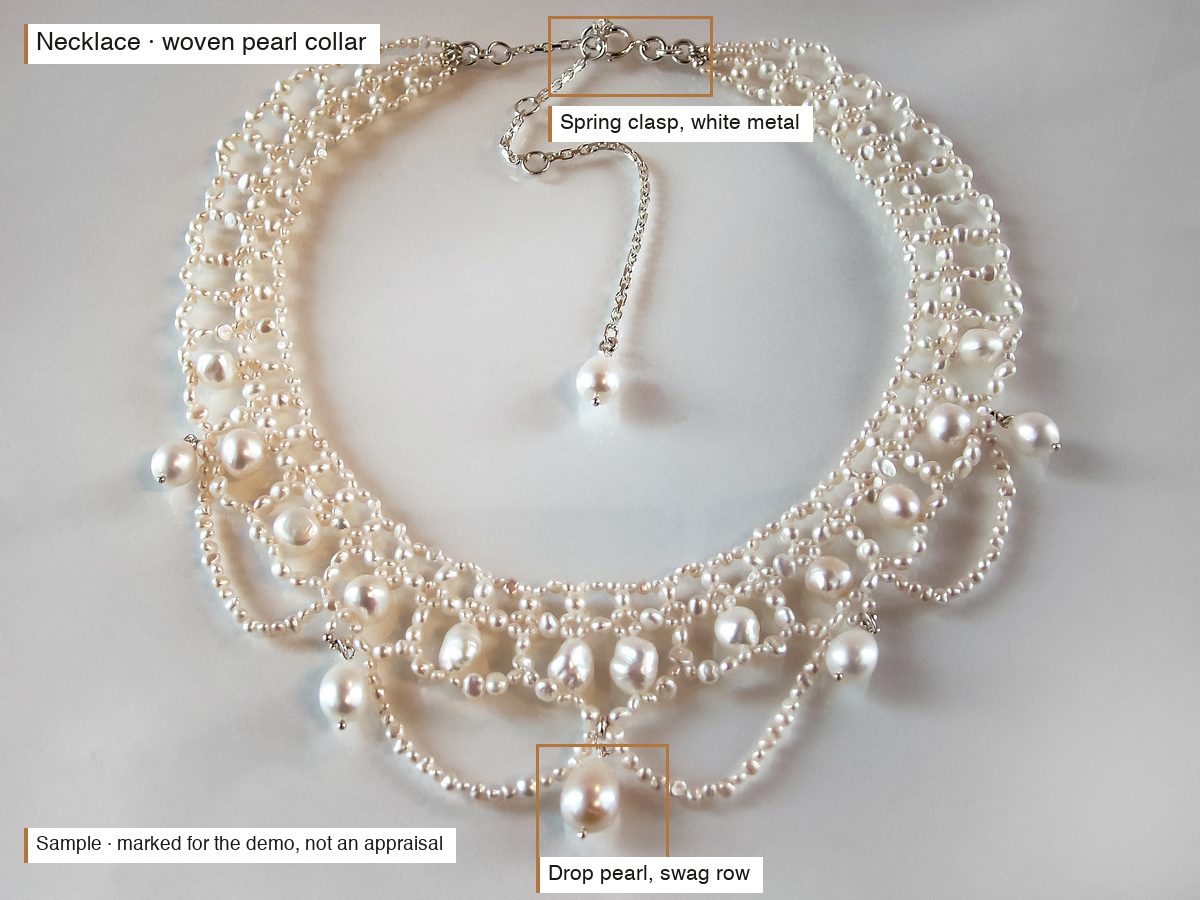
Every report starts with what is genuinely visible in the frame — object type, construction, fastenings, metal colour, stone count — and only then says what that is likely to mean. The likely part carries a confidence number and the alternatives that were considered and set aside, so you can see how much of the answer the photo actually supports.
Markings read as they are, never completed
If a stamp is visible, the report transcribes what can be resolved, describes the punch outline and where it sits, and says which reading a closer photo would settle. If a character is unreadable it stays unreadable. A mark that is not in the frame is never guessed at from the look of the metal.
No valuation, and it says so
This is not an appraisal, an authentication or a certificate, and no section will quote a price. What it does instead is list the concrete next checks — the photo to retake, the loupe, the scale, the magnet, the tests only a jeweller or an assay office can run — so the money you spend on a professional opinion is spent on the right question.
From your photo to the report
- Your photo
- Piece identified
- Wide domed band with one dark set stoneMarks and materials
Object type Ring, wide band with one set stone Pieces in frame One Setting Flush rubover collet, stone level with the surface - Wide domed band with one dark set stoneFull report
- What this piece is
- Visible material clues
- Markings and hallmarks
- Style and period clues
- What to check next
One photo, one report
The whole run, in three screens: the photo goes in, it is read once, and the free preview comes back on the same page.
Identify your piece
Free preview in seconds. The full report unlocks with one analysis credit.
Your photo is read once in memory and never stored. Only the written report is kept, and only when you unlock it.
Questions
Is this an appraisal or a certificate?
No. It is a written reading of one photograph. It states no value, no price range, no purity and no guarantee of authenticity, and it cannot date a piece to a year. Composition, authenticity and value all need the piece in hand — a jeweller, a gemmologist, an assay office or an independent appraiser. The report tells you which of those to ask and what to ask them.
What can it actually tell me from a photo?
Object type and construction, the fastening or setting, metal colour and surface wear, how the stones read optically, whether a mark is present and what can be resolved of it, and which style families the design belongs to. Each of those comes with what it is consistent with, what else looks the same, and how sure the reading is.
Can it identify a hallmark?
It transcribes what is legible in the photo, describes the punch shape and where it sits, and explains what kinds of mark that shape belongs to. It will not complete a mark it cannot see. A sharp, close, well-lit shot of the stamp is worth more than any other photo you can send.
Which pieces work?
Rings, necklaces, bracelets, earrings, brooches, pendants and pins, modern or vintage, as well as close-ups of a mark on any of them. One piece per photo: several pieces in one frame means one of them gets the report and the rest get a line in the caveats.
What happens to my photo?
It is held in memory for the single request that reads it and is never written to disk or storage. Only the written report is kept, and only when you unlock it. Report pages are private to whoever holds the link and are excluded from search engines.
How accurate is it?
Every report carries a confidence score, a judgement of how usable the photograph was, and a list of what a photograph cannot settle. Treat it as a well-informed first read that tells you where to look, not as a verdict.